High-Risk Drugs
Anticoagulants (blood thinners), insulin, narcotics/opiates, etc. are commonly used
in hospitals, but are considered by experts to be "high-risk drugs."
- Anticoagulants: A city-wide list of anticoagulant patient safety
practices was developed and implemented with assistance from the Institute for Safe
Medicine Practices (ISMP). Completed in 2008.
- Insulin: A team of experts from Lilly led a "be the vial" exercise with
hospital teams from Wishard Health Services and Community Heart and Vascular Hospital (formerly The Indiana Heart Hospital). Strategies
to eliminate potentially unsafe process steps were implemented and ongoing measurement continues
to sustain the changes made to insure a safer environment for patients and staff. Completed in 2009.
- U500 Insulin: A standard U-500 Insulin protocol template was completed in 2011.
- Recommendations to Prevent Hypoglycemia with Use of Oral Hypoglycemic Agents: Recommendations were developed in response to a high rate of patients with hypoglycemia due to concomitant use of oral agents with insulin. Completed in 2010.
- Timeliness of Scheduled Medication Administration: All hospitals standardized to plus or minus 60 minutes of the scheduled time. Completed in 2012.
- Standardized Names, Concentrations, and Dosage Units for High Risk IV Infusion
Medications: Standardizing IV infusion drug concentrations among Coalition hospitals reduces the chance of error as nurses frequently travel between systems. Tools and resources to assist hospitals with implementation were developed. Completed in 2009.
- Narcotics-Ongoing: Interventions to reduce risks associated with hydromorphone use are being adopted by all hospitals to prevent adverse outcomes.
- The Medication List-Ongoing: An employer-based consumer education campaign was launched to stress the importance of patients maintaining a current list of their medications and presenting that list to each provider of care. Initially, education targeted hospital staff and their families. Eleven+ employers to include Goodwill Industries, Anthem, Lilly and others have joined the campaign targeting their own employees. All materials can be found on the campaign website, www.getmyhealthcard.org.
Surgical Safety-Ongoing
- Universal Protocol-Ongoing: One standard Universal Protocol has been implemented across all hospitals. The standardized set of practices will provide continuity to physicians and staff who travel between hospitals.
- Prevention of Respiratory Depression: Universal guidelines to prevent post-operative respiratory failure from pain analgesia, which include the use of capnography, were developed, published and implemented. Completed in 2010.
- Infection Prevention: The use of "secret shoppers" to monitor hand hygiene compliance in the operating room and a review of surgical OR isolation procedures for airborne contaminants was completed in 2012.
- Recommendations for Prevention of Retained Objects: Developed in 2009 in response to the Indiana State Department of Health Medical Error Report indicating a high incidence of retained objects in Indiana hospitals.
Peer Reviewed Root Cause Analysis Review-Ongoing
Indianapolis Coalition for Patient Safety, as a peer review organization, routinely shares adverse events to facilitate member learning so as to prevent the same event from occurring in other member hospitals.
- A 2-patient identifier policy statement was completed in 2011.
- A Disclosure of a Medical Event to Patients/Families Policy and Procedure template was completed in 2012.
Institute for Healthcare Improvement (IHI) Campaigns
The Coalition hospitals implemented the "Saving 100,000 Lives" initiatives aimed to protect patients from harm. Completed in 2008.
Infection Prevention
- "Targeting Severe Sepsis": The Coalition uses comparative mortality data to identify significant safety improvement opportunities.
Sepsis emerged as a priority area due to increased patient length of stay and high mortality risk. Coalition hospitals pledged to improve utilization and implementation of evidence-based treatment order sets and evidence-based tools to screen for sepsis. Completed in 2009.
- Flu Vaccination of Healthcare Workers as a condition of employment implemented in four Coalition hospitals during 2012-2013 flu season.
- Central Line Blood Stream Infections and Urinary Tract Infections-Ongoing: These are targeted as potential underlying causes for sepsis. The Coalition team developed and implemented evidence-based protocols to prevent and lower risk of patients developing infections. Completed in 2010.
- MRSA (Methicillin Resistant Staphylococcus Aureus): Two Coalition hospitals are participating in Phase 2 of the IU Center for Health Services and Outcomes Research collaborative aimed at reducing MRSA infection rates in Indianapolis hospitals. Completed in 2010.
Patient Alert Wristband Standardization
Many hospitals use color-coded patient wristbands to alert caregivers to certain patient risks such as
allergies and fall risk. Coalition hospitals adopted the American Hospital Association standardized
colors for alert wristbands. Completed in 2009.
Preventable Congestive Heart Failure Patient Readmissions - Ongoing
- Tactics to Prevent Hospital Readmissions for Heart Failure Patients: The Coalition collaborated with The Indiana Chapter of American College of Cardiology and developed implementable tactics to improve preventable heart failure readmissions. Implementation of tactics ongoing.
- Improving Verbal Handoff Communication for Patients Transferred from Hospital to Skilled Nursing Facility-Ongoing: The Coalition collaborated with several skilled nursing facilities to develop a "Cue Card" to improve nurse-to-nurse verbal hand-off communications for transferred patients.
- Letter of Invitation to SNF Administrators: Letter distributed to Central Indiana SNF/LTAC facilities to encourage hospital SNF discussions and commitment to minimum standards for treatment of heart failure patients. Completed in 2012.
Diabetes: Transitions In Care
The group collaborated with the Robert Wood Johnson Aligning Forces Grant, Health Care Excel and Indiana Hospital Association to improve transitions of care from hospital discharge to ambulatory care for patients with diabetes. Completed in 2011.
Emergency Medicine
- Minimum Care Standards for Therapeutic Hypothermia for ED, Inpatient, and Out-of-Hospital Cardiac Arrest Patients: Developed to standardize cooling protocols, to standardize data elements, and to develop a Patient Registry to track patient survival at discharge. Ongoing.
- CT and Use of Contrast Media: New group.
Blood Management
- Guidelines for Adult Transfusion of Blood and Blood Products with Example Consent/Refusal Form: Developed to improve appropriate utilization of blood. Self-assessment tool and action plans developed and used to guide implementation of the guidelines. Ongoing.
Technology
- IV Pump High Risk Drug Alerts-Ongoing: The Coalition in collaboration with the Purdue University Regenstrief Center for Healthcare Engineering (RCHE) is studying infusion pump alerts for selected high-risk drugs. The goal is to conduct a common cause analysis by trending root causes for alerts and overrides, and take action to further reduce risk with use of high-risk medications and reduce alert fatigue.
Patient Safety "Hero" Awards
Annually, the Coalition recognizes an individual or a group within each member hospital that has championed a specific patient safety project.
The 2014 award winner topics by hospital are listed below:
-
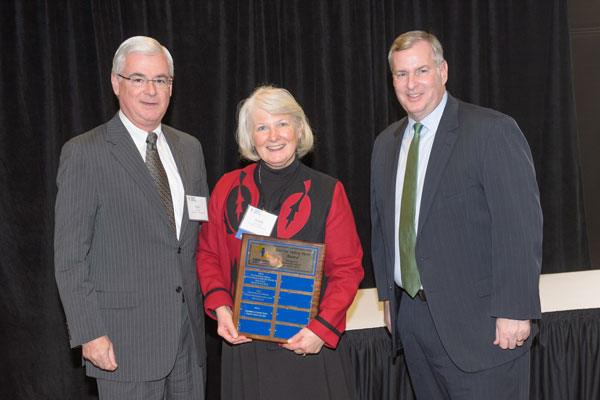
Franciscan St. Francis Health: Leadership in Patient Safety, Susan K. Brown, MS, MBA
Franciscan St. Francis Health
Leadership in Patient Safety, Susan K. Brown, MS, MBA
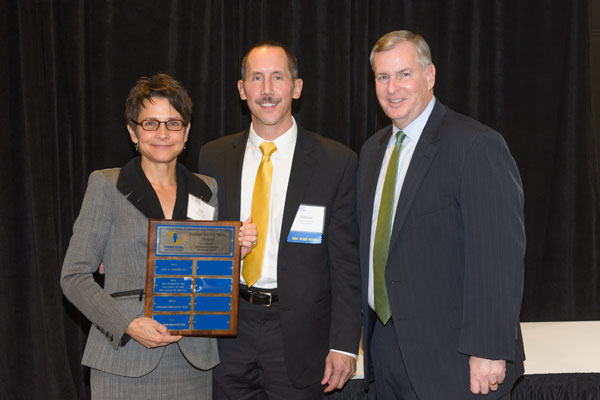
- Eskenazi Health: Palmer MacKie, MD
Palmer MacKie, MD
Willow (Pharmacy) Project Team
- Community Health Network: Behavioral Health Inpatient Crisis Response Team
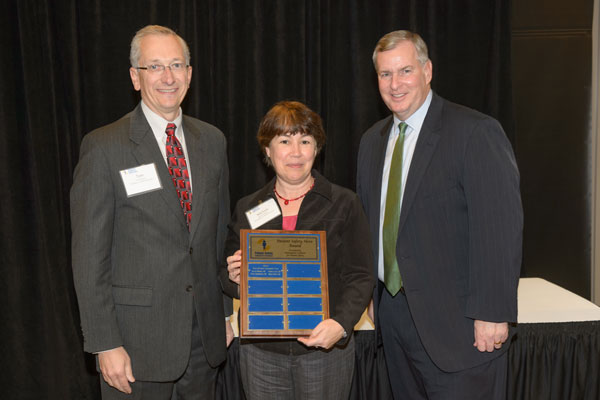
- Richard L. Roudebush VA Medical Center: Hand Hygiene Leadership Team, Kelley Sermak, RN; Cheryl Cline, RN; Mary Kinney, RN; Diana Greathouse, RN
Richard L. Roudebush VA Medical Center
Hand Hygiene Leadership Team, Kelley Sermak, RN; Cheryl Cline, RN; Mary Kinney, RN; Diana Greathouse, RN
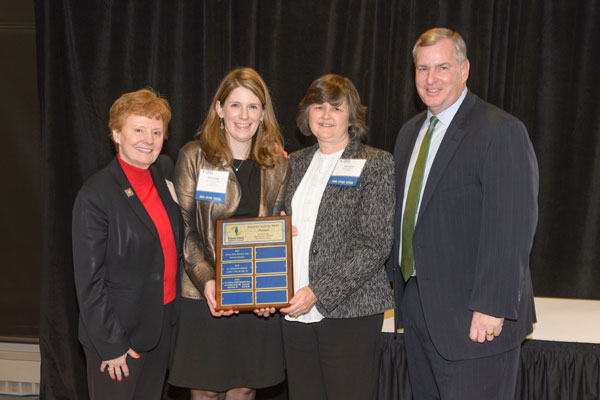
- IU Health: Riley Hospital CHSPS Prevention Team, Margie McCaskey, RN, DNP, CPHQ; Paul Haut, MD; Michele Saysana, MD; Elaine Cox, MD
IU Health
Riley Hospital CHSPS Prevention Team, Margie McCaskey, RN, DNP, CPHQ; Paul Haut, MD; Michele Saysana, MD; Elaine Cox, MD
- St. Vincent Health: CLABSI Reduction Project
St. Vincent Health
CLABSI Reduction Project
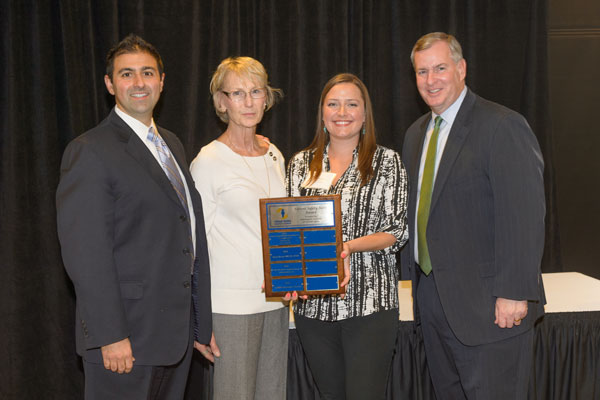
The 2013 award winner topics by hospital are listed below:
- Franciscan St. Francis Health: Insulin Pen-to-Vial Conversion, Stephanie Heckman, MSN, RN, ACNS-BC, CMSRN; and Paul Strange, M.D.
- St Vincent Health: Executive Safety Physician Program, Niceta Bradburn, M.D.
- Eskenazi Health: Perinatal Simulation Team
- Richard L. Roudebush VA Medical Center: Suicide Prevention Team, RLR VAMC; Travis Field, LCSW; Christina McNeely, LCSW; and Judi Green, LCSW
- Community Health Network: Coronary Artery Bypass Graft (CABG) Surgical Site Infection Team
- IU Health: Flu Vaccination Program, Laurie L. Fish, RN, BSN, CIC
The 2012 award winner topics by hospital are listed below:
-
IU Health: Clinical Nurse Specialist Team — University Hospital
IU Health
Clinical Nurse Specialist Team — University Hospital
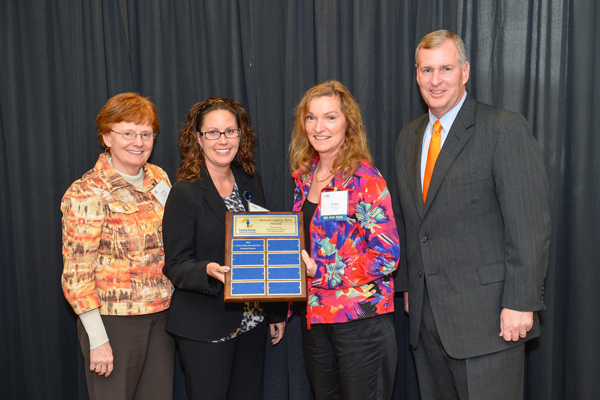
From left to right:
- Linda Everett
- Terri Beeson
- Michele Treon
- Mayor Greg Ballard
- Community Health Network: Willow (Pharmacy) Project Team
- Richard L Roudebush VA Medical Center: CLABSI Prevention Team
Richard L Roudebush VA Medical Center
CLABSI Prevention Team
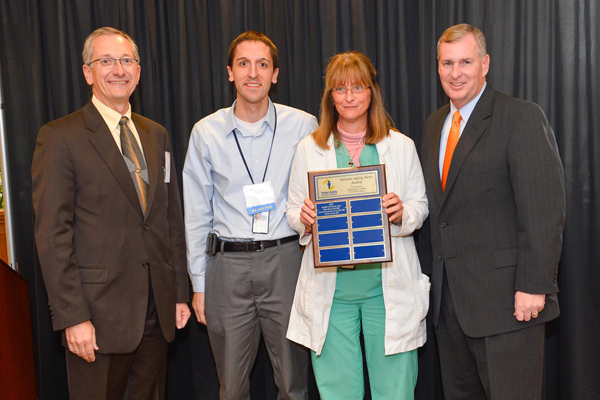
From left to right:
- Tom Mattice
- Daniel Livorsi
- Aleksandra Radovanovich
- Mayor Greg Ballard
- Franciscan-St Francis Health: Flu Vaccination Program
Franciscan-St Francis Health
Flu Vaccination Program
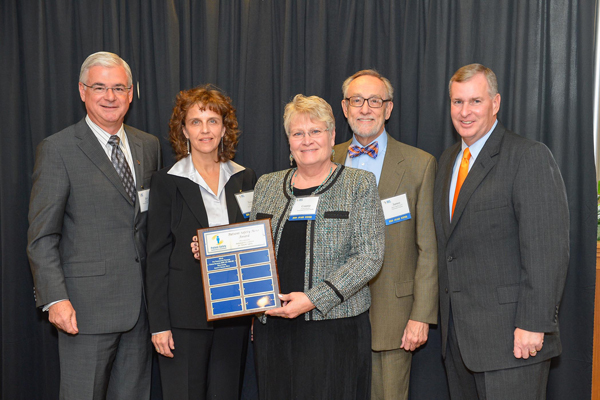
From left to right:
- Bob Brody
- Nora Cerins
- Connie Brandes
- James Sparks, Ph.D.
- Mayor Greg Ballard
- St. Vincent Health: Brenda Kramer, BSN, RN, CPHRM (Individual award)
St. Vincent Health
Brenda Kramer, BSN, RN, CPHRM (Individual award)

From left to right:
- Jon Rahman
- Brenda Kramer
- Mayor Greg Ballard
- Wishard Health Services: Rapid Intervention Team
Wishard Health Services
Rapid Intervention Team
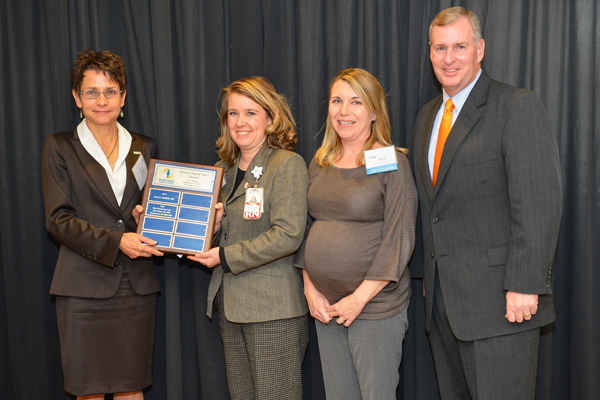
From left to right:
- Lisa Harris
- Beth Sanford
- Tracy Martin
- Mayor Greg Ballard
The 2011 award winner topics by hospital are listed below:
-
IU Health: Mary Sitterding, Indiana University Health
IU Health
Mary Sitterding, Indiana University Health

From left to right:
- Sam Odle
- Mary Sitterding
- Virginia Caine
-
Community Health Network:
Indianapolis Surgical Services Safety Team, led by Dr. Larry Monn, Chief Medical Officer
-
St. Vincent Health:
Dr. William Byron, Amber Cook, Diana L. Jones, St. Vincent Health, Indianapolis
St. Vincent Health
Dr. William Byron, Amber Cook, Diana L. Jones, St. Vincent Health, Indianapolis

From left to right:
- Virginia Caine
- Amber Cook
- Diana L. Jones
- William Byron
-
Richard L Roudebush VA Medical Center:
Central Sterilization/ Processing Staff, Rebecca Marcus
Richard L Roudebush VA Medical Center
Central Sterilization/ Processing Staff, Rebecca Marcus

From left to right:
- Tom Mattice
- Rebecca Marcus
- Virginia Caine
-
Hendricks Regional Health, Danville:
Re-Engineering Discharge Team, led by Matthew Browning
Hendricks Regional Health, Danville
Re-Engineering Discharge Team, led by Matthew Browning
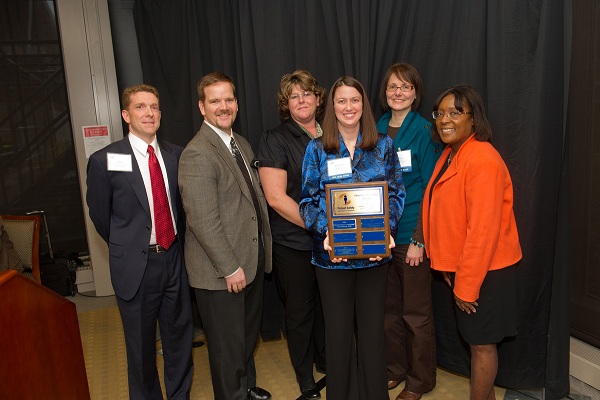
From left to right:
- John Sparzo
- Matt Browning
- Lisa Leonard
- Jennifer DeClerq
- Alice Rushing
- Virginia Caine
-
Franciscan St. Francis Health, Indianapolis:
Robin Eads, Dr. Khalil J. Diab
Franciscan St. Francis Health, Indianapolis
Robin Eads, Dr. Khalil J. Diab
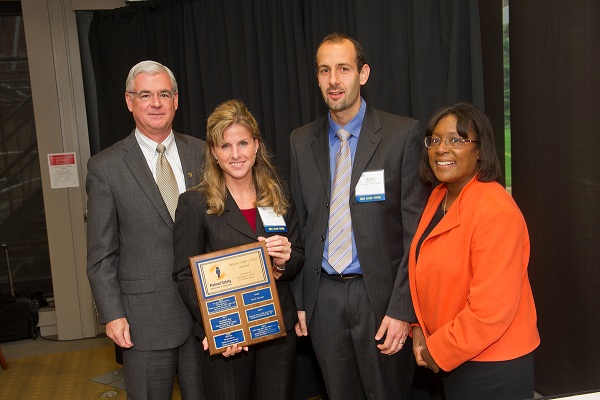
From left to right:
- Bob Brody
- Robin Eads
- Khalil Diab
- Virginia Caine
-
Wishard Health Services, Indianapolis: Dr. Lisa Harris, CEO and Medical Director
Wishard Health Services, Indianapolis
Dr. Lisa Harris, CEO and Medical Director

From left to right:
- Matt Gutwein
- Lisa Harris
- Virginia Caine
The 2010 award winner topics by hospital are listed below:
- IU Health: pressure ulcer prevention teams (Methodist Hospital,
Riley Hospital for Children, Indiana University Medical Center)
IU Health
pressure ulcer prevention teams (Methodist Hospital, Riley Hospital for Children, Indiana University Medical Center)
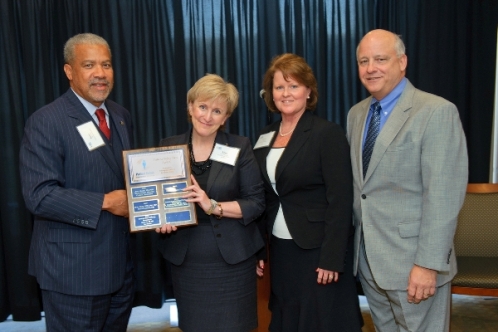
From left to right:
- Sam Odle
- Mary Sitterding
- Joyce Pittman
- Greg Larkin
- Community Health Network: MRSA reduction teams (North, South, East, The Indiana Heart Hospital)
- Richard L Roudebush VA Medical Center: Acute and Critical Care Committees
Richard L Roudebush VA Medical Center
Acute and Critical Care Committees
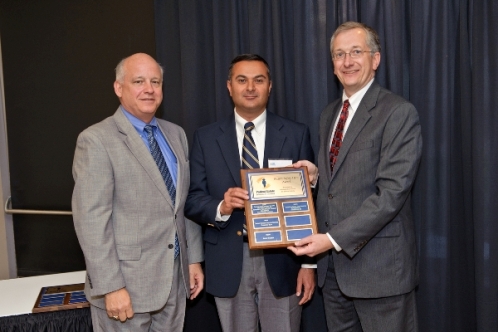
From left to right:
- Greg Larkin
- Imtiaz Munshi
- Tom Mattice
- Franciscan St. Francis Health:
Shelley Voelz and Dr. Douglas Johnstone, Franciscan St. Francis Health, Indianapolis
Franciscan St. Francis Health
Shelley Voelz and Dr. Douglas Johnstone, Franciscan St. Francis Health, Indianapolis
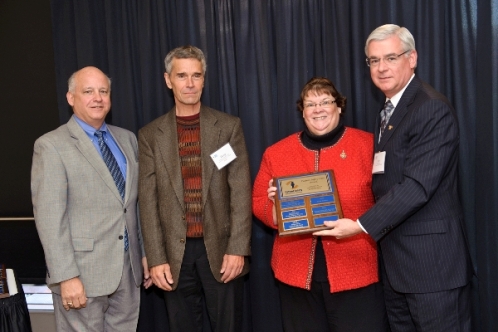
From left to right:
- Greg Larkin
- Doug Johnstone
- Shelley Voelz
- Bob Brody
-
St Vincent Health: Beverly Reed, St. Vincent Indianapolis Hospital
St. Vincent Health
Beverly Reed, St. Vincent Indianapolis Hospital
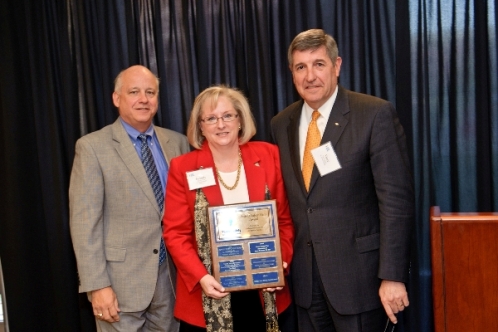
From left to right:
- Greg Larkin
- Beverly Reed
- Vince Caponi
- Wishard Health Services: PCA Administration Team
Wishard Health Services
PCA Administration Team
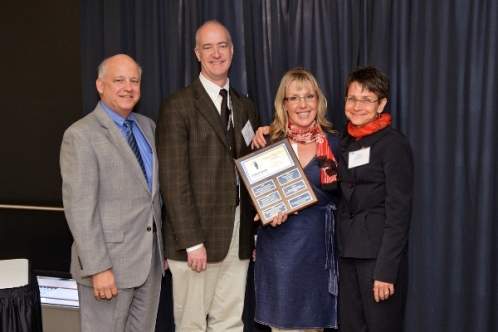
From left to right:
- Greg Larkin
- James Fuller
- Betsy Vance
- Lisa Harris
- Suburban Health Organization: Patricia Owens, Hendricks Regional Health, Danville
Suburban Health Organization
Patricia Owens, Hendricks Regional Health, Danville
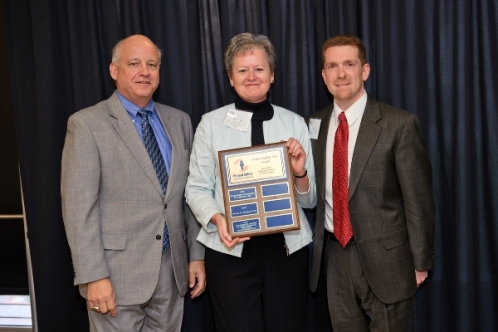
From left to right:
- Greg Larkin
- Patricia Owens
- John Sparzo